How Smart Devices Are Supporting Modern Lifestyles
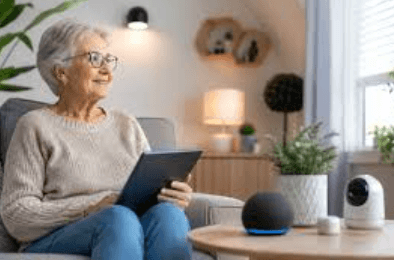
Smart devices streamline daily routines by coordinating appliances, lighting, and sensors for precise timing. They centralize control, reducing decision fatigue and enabling consistent habits. By offering personalized routines, these systems adapt to routines and energy goals, turning data into actionable support. Choosing compatible devices matters for environment and privacy. With transparent ownership and ethical use, the technology aims to empower users while balancing efficiency with safeguarding concerns. The implications for daily life hinge on thoughtful implementation and long-term impact.
How Smart Devices Simplify Daily Routines
Smart devices streamline daily routines by automating repetitive tasks and centralizing control. They coordinate actions across appliances, lighting, and sensors, reducing manual input and decision fatigue. The result is predictable efficiency, with precise timing and responsiveness. Smart routines enable consistent behavior without oversight, while energy management optimizes consumption patterns, supporting freedom by lowering waste and enhancing autonomous living.
Choosing the Right Devices for Your Lifestyle
Choosing the Right Devices for Your Lifestyle requires a focused assessment of daily needs, living environment, and tech readiness. Lifestyle mapping clarifies priorities; device compatibility ensures seamless ecosystems. Smart devices simplify daily routines when aligned with goals, while personalization: from data to useful support remains distinct from broader privacy considerations. Security, privacy, and responsible use of smart tech guide prudent selection and ongoing review.
Personalization: From Data to Useful Support
Personalization converts collected data into actionable support by translating routines, preferences, and context into targeted adjustments. It enables devices to anticipate needs, streamline tasks, and reduce cognitive load, while preserving user autonomy.
This approach hinges on transparent data ownership and ethical data use, ensuring users understand collection scopes, consent, and how insights inform recommendations without compromising freedom or intrinsic privacy preferences.
Security, Privacy, and Responsible Use of Smart Tech
Security, Privacy, and Responsible Use of Smart Tech centers on safeguarding data, ensuring transparent governance, and promoting ethical deployment. The analysis outlines privacy trade offs, emphasizing data minimization, robust information governance, and clear user consent. It notes security vulnerabilities as ongoing risks, urging proactive updates, standardized controls, and user empowerment. Awareness of device fatigue informs sustainable, privacy‑respecting adoption and responsible usage.
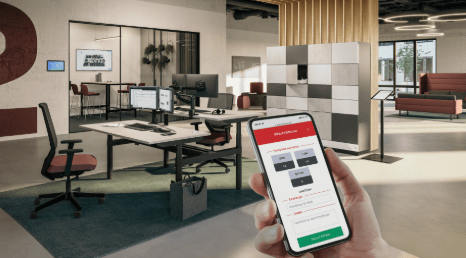
See also: How Smart Devices Are Supporting Smart Office Environments
Frequently Asked Questions
How Do Smart Devices Impact Daily Energy Consumption?
Smart devices can reduce energy usage through improved scheduling, low-power modes, and automated shutdowns, while sometimes increasing consumption via constant connectivity; overall device efficiency tends to lower peak demand, though net impact depends on user behavior and appliance profiles.
Can Devices Improve Mental Health and Well-Being?
Yes, devices can aid mental health and well-being through mindfulness apps and sleep tracking. A clinician notes a user’s steady routine after three weeks; the metaphor resembles a lighthouse, guiding calm attention amid daily noise, promoting freedom and balance.
Are Smart Devices Accessible for All Abilities?
Smart devices are increasingly accessible for all abilities. Inclusive design and accessibility features enhance usability, enabling independent use. Analysts note gaps remain, but ongoing standardization and user testing promote broad participation, supporting a freer, more equitable technological experience.
How Reliable Are Voice Assistants in Real Life?
Like a cloudy forecast, voice assistants often reveal unreliable performance in real-life tasks, yet offer practical utility. They also raise privacy concerns, requiring careful evaluation of data handling before widespread adoption, especially for audiences seeking freedom and informed choice.
What About Interoperability With Non-Smart Gadgets?
Interoperability with non-smart gadgets faces interoperability challenges and cross platform compatibility issues. The analysis notes divergent standards complicate integration, while progress emerges through open ecosystems and bridging hubs, enabling freer configuration, modularity, and broader device interoperability across diverse environments.
Conclusion
Smart devices streamline daily routines by coordinating appliances, lighting, and sensors to align with personal rhythms. A well-chosen setup acts like a conductor, turning scattered tasks into a seamless performance. For example, a user’s morning scene reduces decision fatigue: lights, coffee, and thermostat synchronize as they wake. Data shows energy savings when routines are tailored to usage patterns. When privacy and ethics guide deployment, the same systems empower autonomy while minimizing waste, delivering reliable, thoughtful support.